

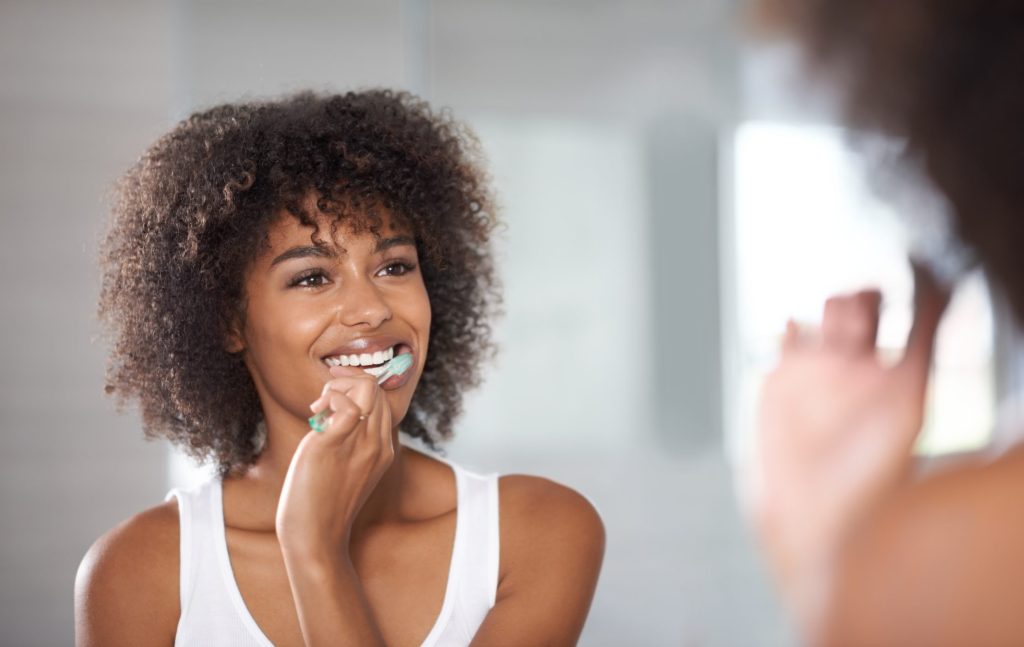
Summer travel brings a fun change of pace for many Central Ohio families, but it can also quietly disrupt the small habits that support your smile. A different schedule, new foods, and altered sleep patterns can add up. By the time you unpack at home, your mouth might feel “off” with bad breath, tooth sensitivity, or irritated gums.
The good news is that protecting your teeth during travel doesn’t require perfection. A little planning and a few steady basics can keep your oral health routine intact, even when your suitcase is packed, and your schedule is full.
How Summer Travel Disrupts an Oral Health Routine (and Why It Matters)
Travel changes your environment, and your mouth quickly responds. When brushing feels rushed, your oral hygiene routine may slip to “good enough,” allowing plaque to build along the gum line. Add in airport snacks, road-trip treats, and late nights, and you create opportunities for tooth decay, gum disease, and other dental issues.
Saliva production is also crucial for rinsing away food particles and managing harmful bacteria. Long drives, flights, heat, and salty snacks can lead to dry mouth, making it easier for plaque to build and bad breath to linger. Maintaining your oral health while traveling supports comfort in the moment and protects your dental health long after summer ends.
Common Travel Habits That Lead to Poor Oral Health
Vacation often disrupts routines, and small changes can add up. Most people don’t neglect dental care on purpose, but travel can make it harder to maintain daily habits.
Here are some common culprits:
- Skipping or rushing daily brushing, especially after late dinners or events
- Grazing on acidic foods and sugary drinks between meals
- Falling asleep without thoroughly cleaning teeth
- Using floss picks occasionally instead of a complete flossing routine
- Forgetting a tongue scraper, which can contribute to bad breath
- Not drinking enough water throughout the day
- Increased use of tobacco products in social settings
If any of these sound familiar, you’re not alone. The key is to notice these patterns early and make small adjustments that can have a big impact.
Your Travel Toolkit: A Simple, Realistic Oral Care Routine for the Road
Packing the right items can make it easier to stick to your routine, even when you’re tired. Travel-sized tools are convenient and encourage follow-through, whether you’re in a hotel bathroom or at a rest stop.
A helpful kit can include:
- Fluoride toothpaste for extra protection against tooth decay
- A toothbrush you like, or an electric toothbrush if that’s your preference
- Dental floss or interdental brushes for tight spaces
- A tongue scraper to manage odor and food particles
- Sugar-free gum to support saliva production during long stretches between brushing
For added reassurance, look for products with the American Dental Association Seal of Acceptance. This can help you quickly identify reliable options when shopping for supplies.
Snacking, Sipping, and the “Constant Grazing” Problem
Vacation eating often involves small bites throughout the day, which can keep your mouth in a more acidic state. Sports drinks, soda, citrus, wine, and candy can all contribute to this. Even some “healthy” snacks can stick to teeth and feed plaque.
Try to establish a simple rhythm. Enjoy treats with meals when possible, then rinse with water afterward. Dairy products like cheese and yogurt can help protect enamel, and drinking water between snacks helps wash away food particles. If you indulge in acidic foods, follow up with water and return to good oral care at night to help your mouth reset.
Dry Mouth and Dehydration: The Summer Issue You Feel Later
Dry mouth is common during flights, long drives, and outdoor activities. While it’s easy to notice the discomfort, fewer people connect it to cavities until their next dental checkup. Saliva helps buffer acids and manage bacteria, so a dry mouth can increase your risk of tooth decay.
To combat this, drink water steadily throughout the day, not just at the end. Carrying a refillable water bottle can make this easier. Staying hydrated is especially important for older adults or those taking medications that cause dryness, as it supports both oral and overall health.
Keeping Your Gums Calm: Preventing Plaque Buildup and Gum Disease While Traveling
Your gums can become irritated when brushing is rushed or flossing is skipped. Early gum inflammation, a common form of gum disease, often shows up as tenderness, bleeding, or puffiness along the gum line. Travel can lead to more snacking and less thorough cleaning, giving plaque extra time to harden into tartar.
Consistency is key. Brush twice daily and spend extra time near the gum line, where plaque tends to accumulate. If you miss flossing one night, make it a priority the next morning and return to your full routine as soon as possible. These small adjustments can protect your gums and prevent potential issues.
Travel and Dental Restorations: What to Watch For
Summer activities can sometimes highlight dental issues you hadn’t noticed before. A tooth that was mildly sensitive might worsen after exposure to cold drinks or sweets. Crunchy snacks or ice can cause small chips, and fillings may feel different after chewing on the go.
If you experience sharp pain, lingering aches, or persistent sensitivity, don’t ignore it. Composite fillings are a common solution for decay or minor damage, and addressing problems early can make treatment simpler. If you have dental implants, maintaining your cleaning routine is essential for long-term stability and to prevent gum irritation around the implant.
Don’t Postpone Your Checkup: Why Regular Dental Visits Are a Smart Summer Move
Summer may seem relaxed, but schedules often fill quickly with trips, events, and back-to-school planning. That’s why scheduling regular dental visits before or after travel can be a relief. Dental exams and cleanings remove plaque and tartar that at-home care can’t fully address, while also assessing your risk for cavities and gum disease.
These visits also support overall health. Persistent gum inflammation has been linked to a higher risk of heart disease, and regular cleanings are a practical way to protect both your oral and general health. During an exam, your dentist can also check for signs of oral cancer, an important part of monitoring changes you might not notice yourself.
A Quick “Back Home” Reset for Your Oral Hygiene Routine
Once you return to Pickerington, Canal Winchester, Lewis Center, or anywhere nearby in Central Ohio, a reset can help you get back into a comfortable routine. You don’t need an intense overhaul – just a return to your familiar habits so your mouth feels clean and healthy again.
Here’s a simple reset plan:
- Replace your toothbrush or brush head if it’s worn or you forgot your supplies
- Resume daily brushing with fluoride toothpaste morning and night
- Floss with dental floss or interdental brushes to clean tight spaces
- Use a tongue scraper if your breath feels off
- Schedule regular dental checkups if you’re due for professional cleanings
If something feels unusual, like persistent bleeding, ongoing pain, or concerns about tooth loss, schedule a visit sooner to address the issue and regain confidence in your oral health.
Kind, Gentle Support When Travel Throws You Off
If summer travel has disrupted your oral health routine, you deserve a dental team that makes you feel comfortable, informed, and cared for. Fixari Family Dental offers Dental Exams & Cleanings, Fluoride Treatment, Oral Cancer Screening, and Composite Fillings to support your oral health in a steady, reassuring way.
When you’re ready, schedule an appointment with us. Let us help you get back to a clean, confident, healthy smile. Trusted care for Central Ohio families, today and for years to come.