

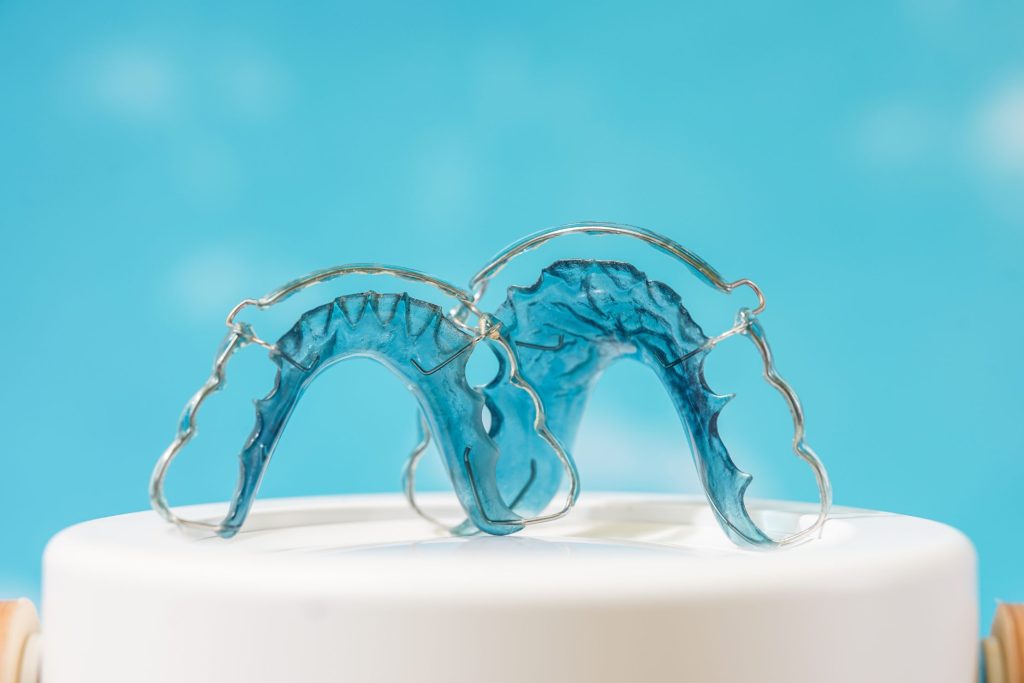
You’re back from summer break, vacation, or a few months of busy schedules. You reach for your retainer and slip it in, only to feel immediate pressure. Your retainer feels tight, snug in a way it didn’t before. You wonder if your teeth have shifted, if something’s wrong, or if you’ve undone months of orthodontic treatment. If this sounds familiar, you’re not alone. Many patients throughout Central Ohio experience this exact scenario after inconsistent retainer wear during the summer months.
The good news is that a tight retainer doesn’t always mean disaster. But it does signal that something has changed, and understanding what that tightness means can help you take the right next steps to protect your beautiful smile.
Why Does Your Retainer Feel Tight?
When your retainer feels tight after a period of inconsistent wear, it’s usually because your teeth have begun to move. Teeth aren’t permanently fixed in place. Even after orthodontic treatment, they have a natural tendency to shift back toward their original positions. This movement is called orthodontic relapse, and it’s one of the most common reasons patients notice their retainer fits differently than it used to.
Your teeth are held in place by bone and soft tissue that respond to pressure and daily habits. Without consistent use of your retainer, your teeth can gradually drift into new positions. The front teeth are especially prone to this type of movement. Even small shifts can make your current retainer feel noticeably tighter when you try to wear it again after weeks or months of skipping consistent evenings.
Mild tightness when you first put your retainer back in is often a clear sign that your teeth have moved slightly. If the retainer still fits and the discomfort fades after a few minutes, your teeth may not have shifted far. But if you experience sharp pain, significant discomfort, or find that your retainer no longer fits properly, it’s time to seek professional help.
What Causes Teeth to Shift During the Summer?
Summer routines look different for most families. Teens head to camp or travel with friends. College students move home or take on new work schedules. Adults juggle vacations, family visits, and changes in daily habits. All of these shifts in routine can disrupt the consistent wear that removable retainers require to keep teeth in their correct positions.
When retainer care falls off your radar, even for a short time, your teeth begin responding to natural changes in your mouth’s structure. Wisdom teeth can create pressure as they emerge. Jaw changes related to growth or aging can affect the alignment of your teeth. Even something as simple as how you sleep or chew soft foods can influence tooth movement over time.
Hot water is another culprit that can affect the fit of your retainer. Rinsing your clear retainer or Hawley retainer in hot water can warp the material, making it feel tighter or looser than it should. If your retainer causes discomfort and you’ve recently exposed it to heat, the issue may not be tooth movement at all. It could be that your retainer itself has changed shape.
Is the Tightness Normal or a Red Flag?
Not all retainer tightness is cause for concern. During the initial adjustment period after getting a new retainer, some pressure is expected. That normal tightness is your retainer gently guiding your teeth back into their new alignment. It should feel snug but not painful, and the sensation typically eases within a few minutes to an hour.
However, certain types of discomfort are clear signs that you should not force your retainer into place. If you experience severe discomfort, sharp pain, or gum irritation when wearing your retainer, stop and contact your dental team. Forcing a retainer that no longer fits can cause unnecessary discomfort and even damage your teeth or gums.
Significant pain is a red flag. It suggests that your teeth have shifted enough that your retainer is no longer appropriate for your current smile. In these cases, you may need a new retainer designed to fit your teeth as they are now, or you may benefit from a brief period of orthodontic treatment to guide your teeth back to their original spots.
What Should You Do If Your Retainer Feels Tight?
The first thing to do is assess the level of discomfort. If the tightness is mild and fades quickly, try wearing your retainer as directed and monitor how it feels over the next few days. Consistent use can sometimes help your teeth settle back into place, especially if the movement has been minimal.
If the retainer discomfort persists or worsens, don’t delay action. Reach out to your dental team in Pickerington, Canal Winchester, or Lewis Center to schedule an evaluation. Your dentist can assess whether your teeth have shifted, whether your retainer still fits correctly, and what the best next steps are for preserving your orthodontic results.
In some cases, necessary adjustments to your retainer or a new retainer may be all that’s needed. In other situations, a short course of clear aligners or other orthodontic treatment may help guide your teeth back to where they belong. Either way, professional advice ensures that you’re protecting the financial investment you made in your perfect smile.
Can You Prevent Teeth from Shifting?
Preventing tooth movement comes down to one crucial role: consistent wear of your retainer. Whether you have a clear Essix retainer, a Hawley retainer, or another type of removable retainer, wearing it as directed is your best friend when it comes to maintaining straight teeth and preserving your new smile.
Make retainer care part of your daily habits, even during busy or unpredictable times. Keep your retainer in a protective case when you’re not wearing it. Avoid exposing it to hot water or leaving it in places where it could be damaged or forgotten. If you’re traveling, pack your retainer first so it doesn’t get left behind.
If you know your routine will change during the summer or another season, plan ahead. Set reminders on your phone or create a visual cue that helps you remember to wear your retainer each night. Building these habits now protects your oral health and helps you avoid the discomfort and cost of addressing orthodontic relapse later.
When Should You Consider a New Retainer or Further Treatment?
If your retainer no longer fits comfortably, or if you’ve gone months without wearing it and notice visible changes in the alignment of your teeth, it may be time to explore your options. A loose retainer that doesn’t provide adequate pressure won’t do its job. A retainer that causes significant discomfort or doesn’t fit at all is a sign that your teeth have moved beyond what your current retainer can manage.
Your dental team can help you determine whether a new retainer is the right solution or whether a short period of treatment with clear aligners, Invisalign, or other orthodontic options would better serve your goals. Many patients find that a brief intervention now prevents more extensive treatment down the road.
Comprehensive care means looking at your teeth, your bite, and any natural changes in your jaw or mouth that might be contributing to the movement. Wisdom teeth, for example, can create pressure that affects the rest of your smile. Addressing these underlying dental issues is part of protecting your orthodontic investment and ensuring long-term comfort.
How Fixari Family Dental Supports Your Orthodontic Journey
At Fixari Family Dental, we understand that life gets busy and routines change. We’ve worked with families throughout Central Ohio for years, and we know that maintaining your retainer wear can be challenging during summer vacations, school breaks, and other transitions. Our goal is to help you feel supported, not judged, as you work to protect your smile.
If your retainer feels tight or no longer fits the way it should, we’re here to help you understand what’s happening and explore your options. Whether that means fitting you for a new retainer, discussing clear aligners, or simply providing guidance on retainer care and consistent use, we’ll walk through the next steps together.
Our Orthodontics services include Retainers, Clear Aligners, Invisalign, and other options designed to help you maintain the results you’ve worked hard to achieve. We also offer Preventative Dentistry services like Dental Exams & Cleanings and Oral Cancer Screening to support your overall oral health as you care for your smile.
Your Smile Deserves Consistent Care
A tight retainer after inconsistent wear is a common experience, but it’s also a reminder of how important daily habits are in maintaining your orthodontic results. Your teeth want to move, and without the gentle, consistent pressure of your retainer, they will. The good news is that with the right care and support, you can protect your beautiful smile for years to come.
If you’re experiencing retainer tightness, discomfort, or concerns about whether your teeth have shifted, don’t wait. Reach out to Fixari Family Dental to schedule a visit at one of our Central Ohio locations. We’re here to provide the kind, gentle care you need to feel confident about your smile, today and for years to come.