
A slip on the ice, a basketball to the mouth, or a hard fall on the playground can turn a normal day into one of those moments where your heart drops. Dental injuries are especially common during winter months in Central Ohio, and they can happen quickly for kids, teens, and adults alike. When you or your child is in pain, it helps to have clear steps to follow, plus a dental team you can trust for calm, expert care.
This guide walks you through practical, at-home first aid for common dental emergencies, including what helps with discomfort, what to save, and when to go to the emergency room. If you’re in Pickerington, Canal Winchester, Lewis Center, or nearby communities like Columbus and Polaris, Fixari Family Dental is here to provide emergency dental care with compassion, clarity, and prompt attention.
Start here: stay calm, protect the area, and call for guidance
In urgent dental issues, your first few minutes matter. Take a breath, check for bleeding or swelling, and look for broken teeth, a loose crown, or a tooth out of place. If there was a head injury, dizziness, or trouble breathing, that needs immediate care before anything dental.
As soon as you can, call our team for next steps. Even during normal business hours, dental injuries deserve immediate attention so you can get the right treatment and avoid complications like an abscess or infection.
What should you do before heading to an emergency dentist?
If you’re worried, you’re not overreacting. Many common dental emergencies look similar at first, and it’s hard to know what’s urgent when you’re in the middle of pain and stress. Focus on safety, gentle pain relief, and keeping the tooth or area protected while you arrange urgent dental care.
Use a cold compress on the outside of the cheek in short intervals to help with swelling and discomfort. If the mouth is dirty from a fall, rinse gently with warm water, and avoid aggressive brushing around the injury. Then, call for emergency dental services so you can be guided to the right next step.
Knocked-out tooth: act quickly and handle it gently
A knocked-out tooth can feel scary, especially for parents. If it’s an adult tooth, time is important. Pick up the tooth by the crown (the chewing surface), not the root, and avoid scrubbing it. If it’s dirty, a gentle rinse with warm water is usually enough.
If you can, try to keep the tooth moist while you go in for emergency care. Place it in a clean container and head to your emergency dentist right away. The goal is immediate relief and the best chance for your dentist to help you preserve your smile and oral health.
Broken, chipped, or cracked tooth: protect it and reduce pain
A chipped tooth may not always hurt right away, but cracks can lead to dental pain that worsens over hours or days. If a piece breaks off, save it if possible. Rinse gently with warm water, and apply a cold compress if you notice swelling.
Avoid chewing on that side and keep foods soft. Your dentist will check whether you need a filling, a crown, or another restorative option. In some cases, prompt attention can prevent severe tooth pain later and reduce the chance you’ll need a root canal.
Severe toothaches: when pain is your body’s alarm system
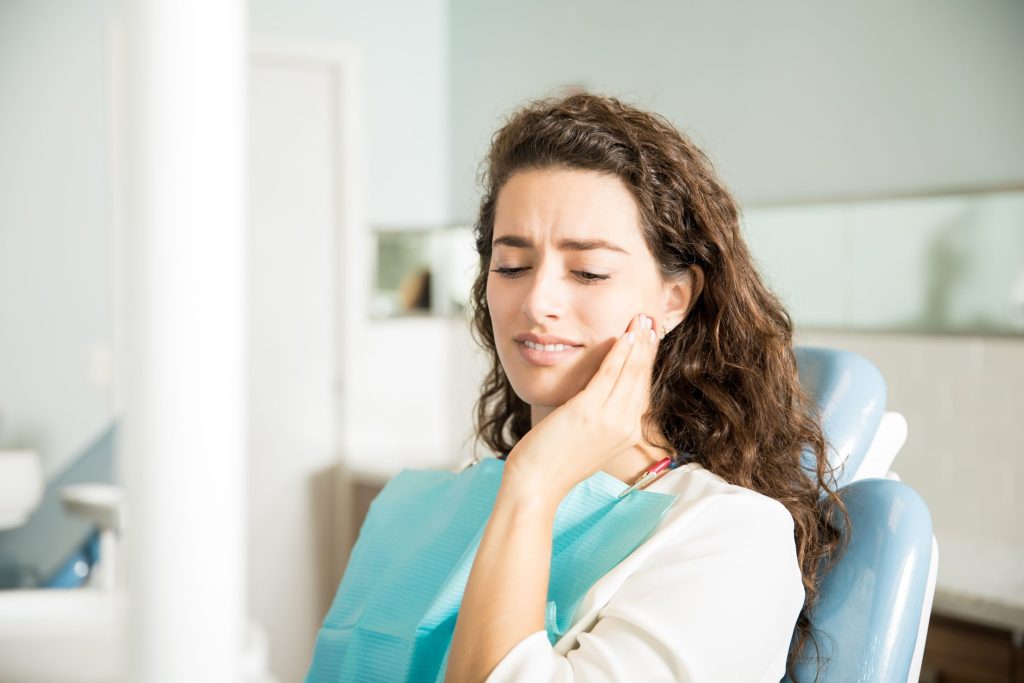
Severe toothaches can interrupt sleep, make it hard to eat, and leave you feeling worn down. Toothaches often point to irritation or infection inside the tooth, and that’s something a dentist should evaluate quickly. A toothache that lingers, throbs, or spikes with temperature can qualify as urgent dental care.
Before your visit, rinse gently with warm water and keep the area clean with careful brushing. If you see swelling along the gumline, a pimple-like bump, or a bad taste, those can be signs of infection or a dental abscess. Call right away so you can receive prompt treatment and a clear plan for pain relief.
Lost filling or crown: keep the tooth covered and avoid sticky foods
Losing fillings or a crown can create sudden sensitivity and discomfort, especially with cold air or drinks. If your crown comes out, keep it and bring it to your dental visit. Try not to chew on that side, and avoid sticky or crunchy foods that could worsen the problem.
This type of emergency dental care is common, and it often has good news: many crowns can be re-cemented, and many fillings can be replaced without major treatment. Getting seen quickly protects the tooth structure and supports long-term dental care.
Bleeding, swelling, and possible infection: know when it’s urgent
Bleeding that does not slow down, swelling that spreads, or pain paired with fever should be treated as urgent. Apply gentle pressure with clean gauze for bleeding, and use a cold compress to help manage swelling. Avoid poking the area or trying to “drain” anything at home.
An abscess can develop when infection builds in or around a tooth. A dental abscess can also cause deep dental pain, pressure, or a swollen face or jaw. When you notice these signs of infection, seek immediate care and contact an emergency dentist for guidance.
Injuries to lips, cheeks, tongue, or gums: comfort-first steps that help
Soft tissue injuries can look dramatic because the mouth bleeds easily. Rinse gently with warm water, then apply pressure with clean gauze. A cold compress can help reduce swelling and bring some immediate relief. If bleeding is heavy or you cannot get it under control, go to the emergency room.
Once bleeding is managed, your dentist can evaluate the teeth, socket, and gums for hidden damage. Dental visits after an impact are important even when the injury looks minor, since cracks or loosened teeth can show up later.
When to go to the emergency room vs. urgent dental care
A good rule is to prioritize overall safety first. If you suspect a broken jaw, have trouble swallowing, cannot breathe comfortably, or have uncontrolled bleeding, the emergency room is the right place to start. The same goes for major facial trauma or a serious head injury.
For most dental emergencies such as toothaches, a lost crown, broken teeth, or suspected abscess, an emergency dentist is usually best equipped to provide the right immediate attention and dental services. If you’re unsure, call and ask. Clear direction helps you feel steadier and supported.
How emergency dentistry connects to your long-term oral health
Dental injuries can affect more than one tooth. A fall can damage enamel, loosen teeth, or irritate the nerve, even if you only see a small chip. Getting checked quickly supports your oral health and helps your care team catch issues early, before they become more painful and costly.
Depending on what you need, your treatment plan might include restorative dentistry options like fillings, a crown, or a root canal. For some patients, tooth loss may eventually lead to solutions such as dentures or dental implants. If appearance is part of your concern after an injury, cosmetic dentistry options may also help you feel confident again.
Helping kids and teens avoid common dental emergencies (especially in winter)
For active families in Central Ohio, prevention is part of everyday peace of mind. Winter sports, indoor practices, and busy school schedules put kids at higher risk for dental injuries, so protective habits make a real difference. If your child plays sports, ask about athletic mouthguards as part of preventative dental care.
Consistent brushing, regular dental visits, and early support for tooth alignment also help reduce emergency dental issues over time. If you’re a new patient, it’s still okay to reach out when something unexpected happens. You deserve clear answers and expert care, even if this is your first time calling.
A gentle next step: reach out for emergency dental services in Central Ohio
If you’re dealing with dental pain, swelling, bleeding, a broken tooth, or other urgent dental issues, you don’t have to manage it alone. Fixari Family Dental provides emergency dental services with a calm, supportive approach so you can feel comfortable and informed at every step. Our team serves Central Ohio families, including Pickerington, Canal Winchester, Lewis Center, and surrounding areas.
When you call, we’ll help you understand what to do next, what to bring, and how we can support your comfort. If you have questions about treatment costs, ask our team about flexible financing options so you can focus on getting the care you need. Kind, gentle dental care you can feel confident about starts with one conversation.